Engineering & Computer Science

Products by Course
Featured Products
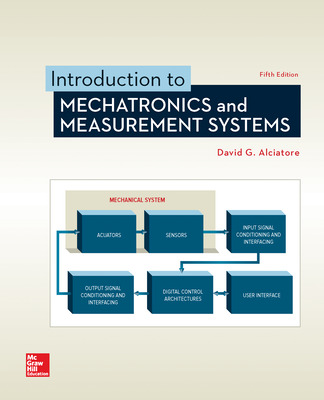 Alciatore, Introduction to Mechatronics and Measurement Systems, 5th edition



MH Connect - Connect for Engineering
Connect for Engineering helps students achieve success by providing meaningful learning tools, assessment, and access to the digital textbook (which is mobile-ready and available offline). This easy-to-use learning platform gives instructors access to engaging, assignable, and assessable online learning solutions.
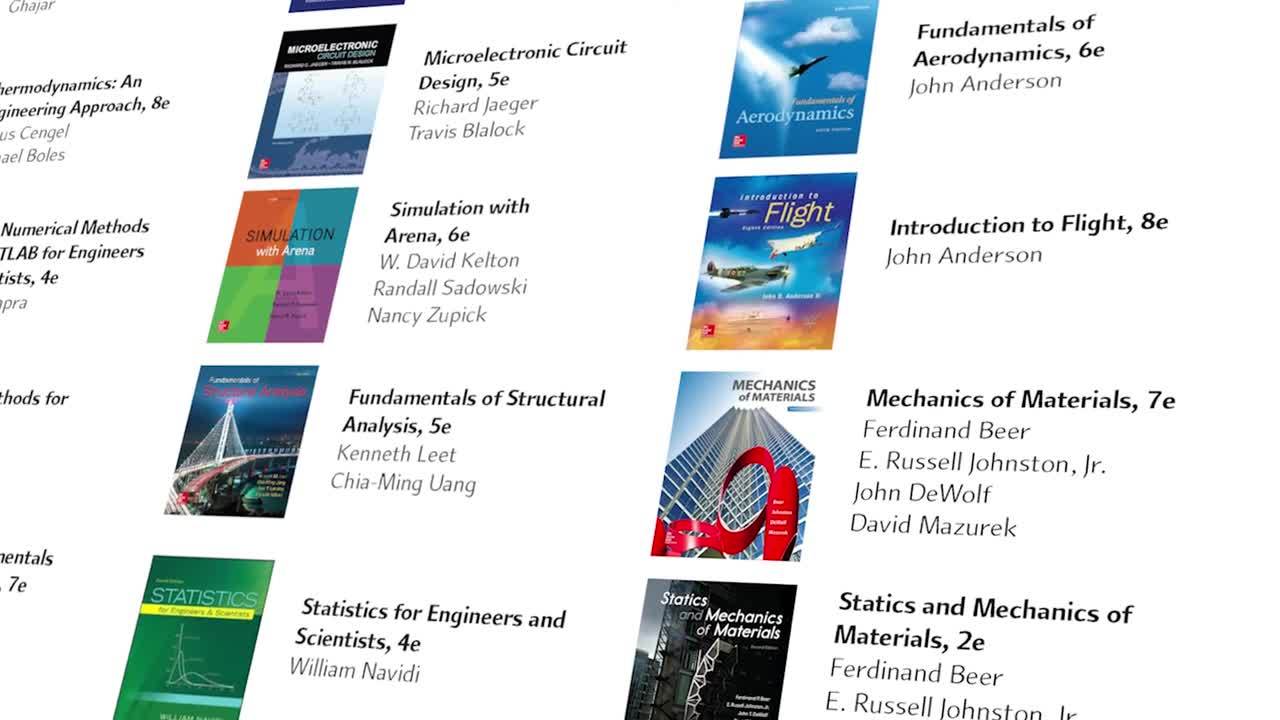
Connect for Engineering Features
SmartBook
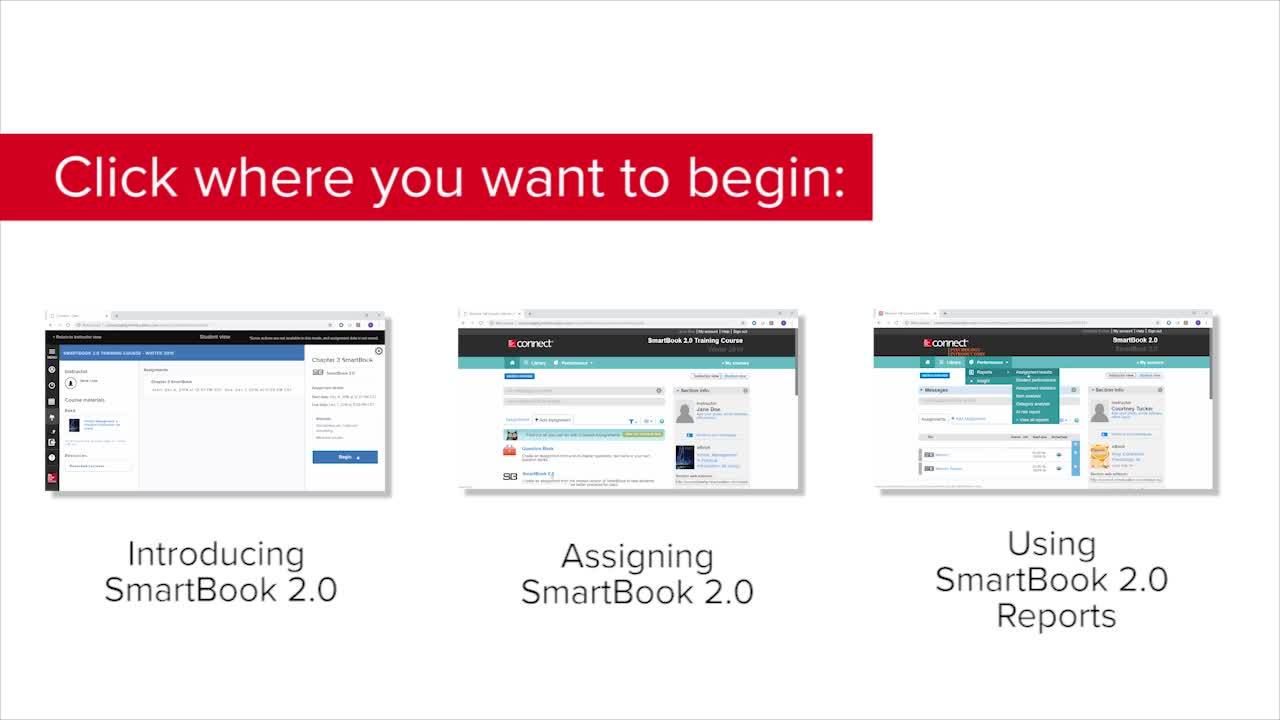
SmartBook 2.0 continually adapts to individual student needs by creating a personalized learning experience that supports course objectives. This includes identifying student knowledge gaps and focusing them in on foundational, core concepts they need to study the most. For instructors, this responsive technology helps you track student progress, guiding you through advanced teaching strategies to achieve an overall dynamic class experience.
McGraw Hill ReadAnywhere App
Today’s students are busier than ever. Managing demands from school, work, family and more, means it’s harder to find the time to study. That’s why we offer the FREE ReadAnywhere app to help students fit learning into their lives – anytime, anywhere.*
*Students must purchase Connect to use the ReadAnywhere app. Only available for select titles. iOS and Android supported.

STEM Prep modules
STEM Prep modules provide an adaptive tool designed to help students quickly and efficiently prepare for college-level coursework. STEM Prep individually identifies essential concepts students don’t fully understand and provides learning resources to teach these concepts so they enter the course prepared. Modules include:
- Basic Math
- Binary Numbers
- Complex Numbers
- Decimal Places
- Engineering Notation
- Exponents, Equations, and Expressions
- Fractions
- Geometric Shapes
- Graphing
- Logarithms
- Reading a Scale
- Scientific Calculator
- Scientific Notation
- Engineering Notation
- Significant Figures
- Trigonometry
- Units
- Vectors
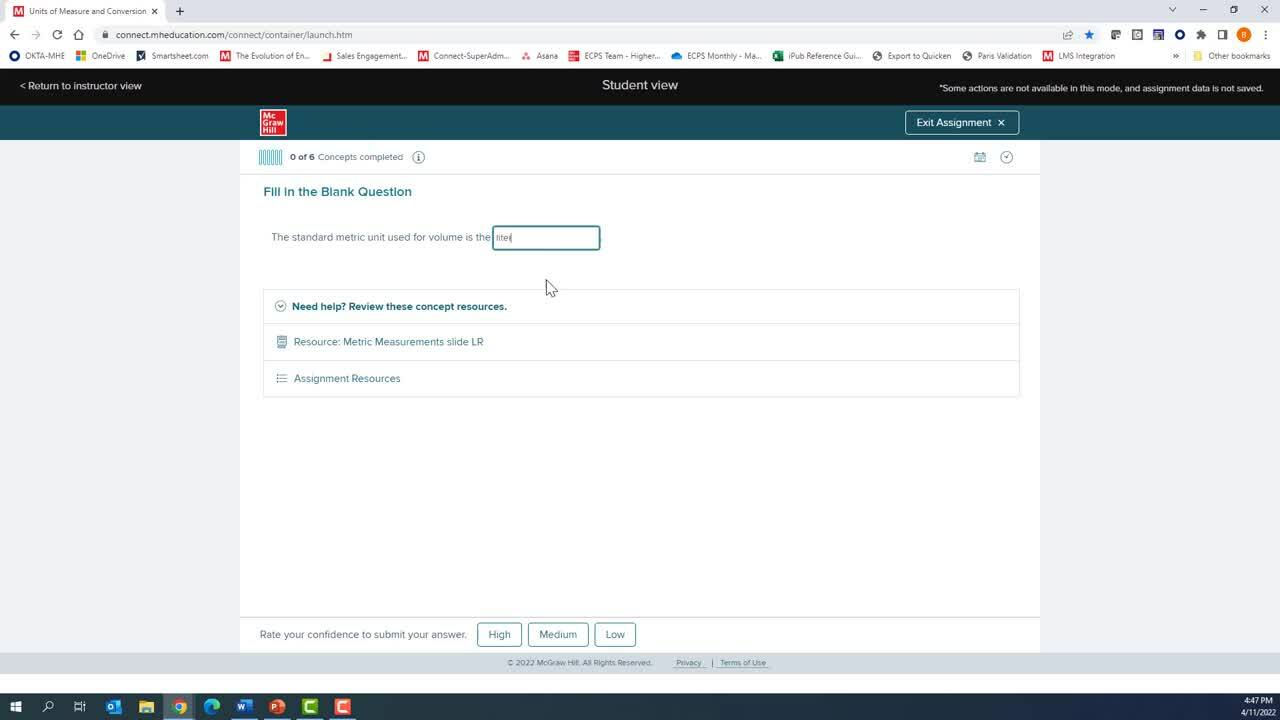
Process Oriented Problems
Process Oriented Problems – requires students to answer questions on the approach they used to solving a problem. *
*select titles only
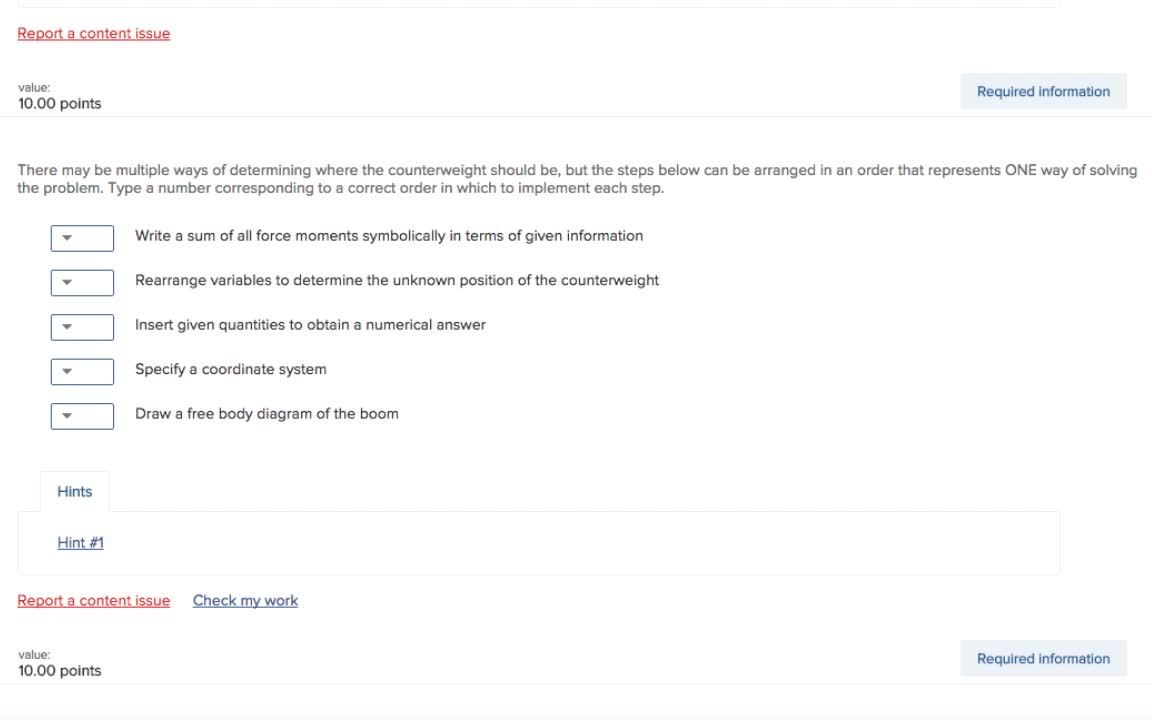
Free-Body Diagram Tool
Designed by engineering and physics educators from the ground up, the Free Body Diagramming Tool provides students with immediate feedback on their drawing comprehension where they need improvement the most. *
*Statics and Dynamics titles only

Application-Based Activities
Available via Connect for many Engineering titles
Interactive exercises that tie the material students learn in class to real world situations and reinforces what is covered in lecture.
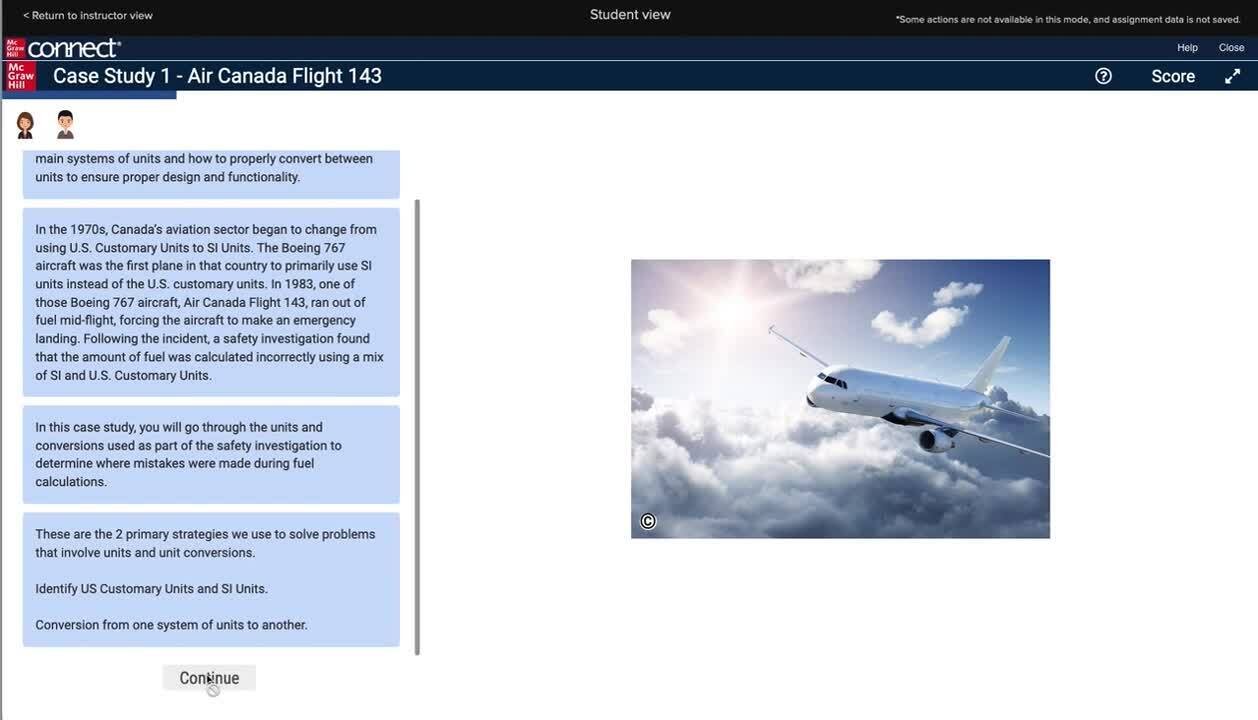
Walkthrough of an Application Based Activity for Statics and Dynamics by Dr. Matt Jensen, Utah Valley University.
Writing Assignments/Rubric Tool
Help students improve their conceptual understanding and written communication skills with Writing Assignments in Connect. Integrate writing skill development into your course with ease and help your students gain the critical writing skills they need for success now and beyond. Assign, monitor, mark, and provide feedback all in one place.
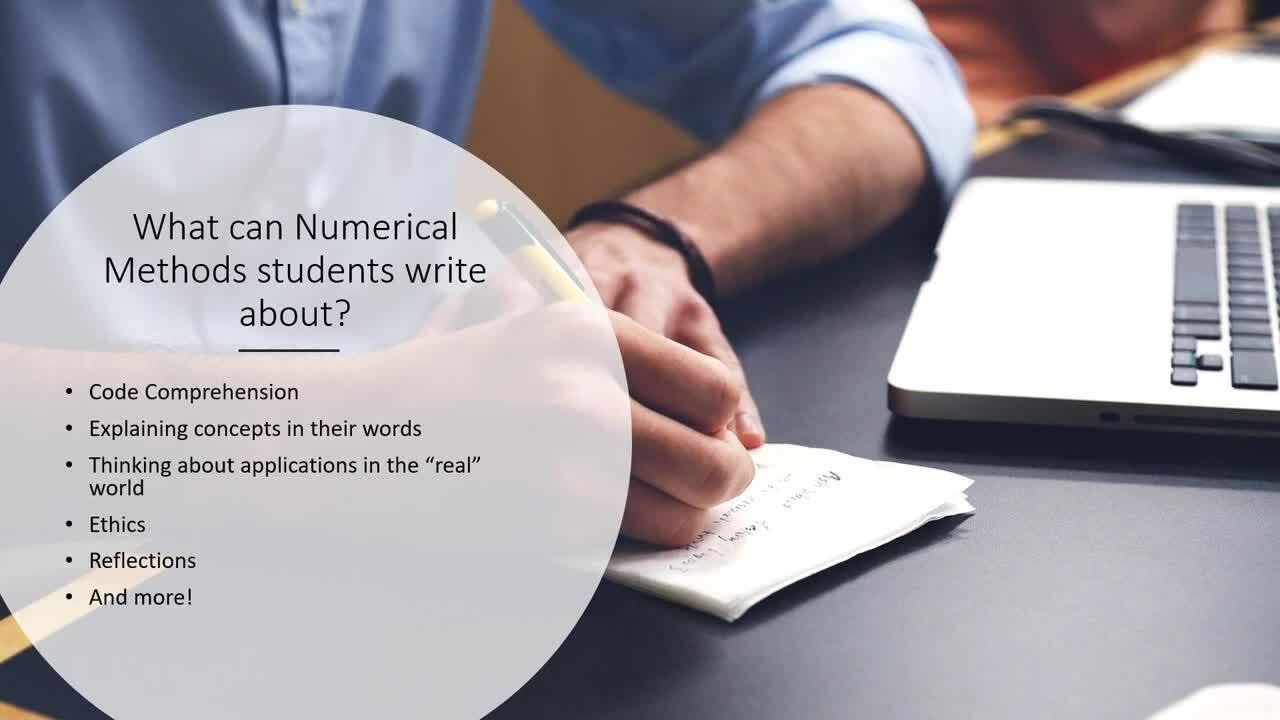
Engineering Digital Learning Best Practices

Connect Engineering Across the Curriculum

One-on-One with McGraw Hill CEO interviewed by UT -Austin biomedical engineering student, Naazeneen Ibethaj.
Webinars hosted by Engineering faculty
Our team of Engineering Digital Faculty Consultants share best practices and teaching strategies to improve student performance and outcomes.



Additional Resources and Author Showcase
Hear from instructors and educators on classroom best practices to that can help you and your students improve performance.
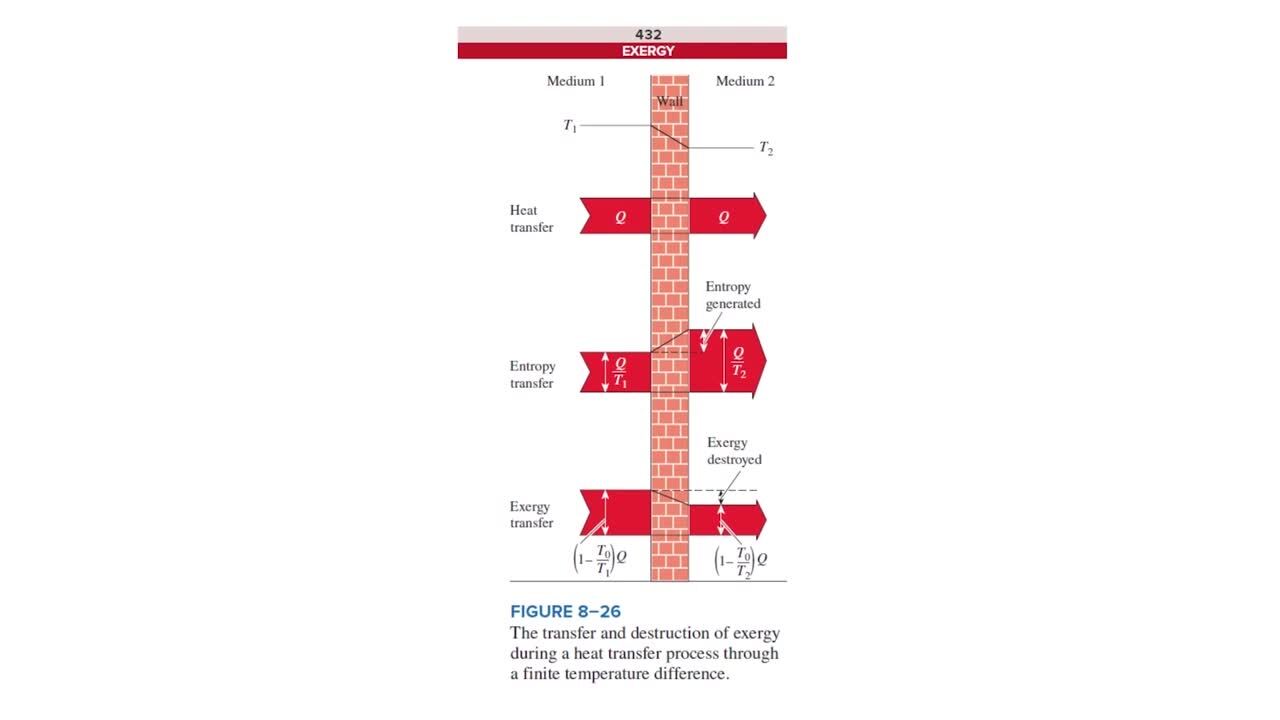
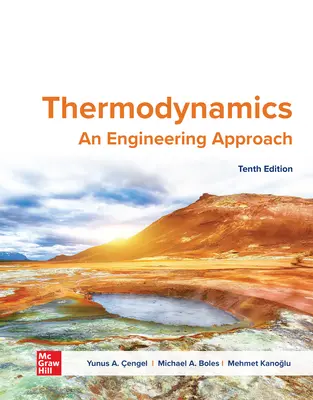
Yunus Cengel shares key highlights of Thermodynamics, 10th edition

Remote Proctoring
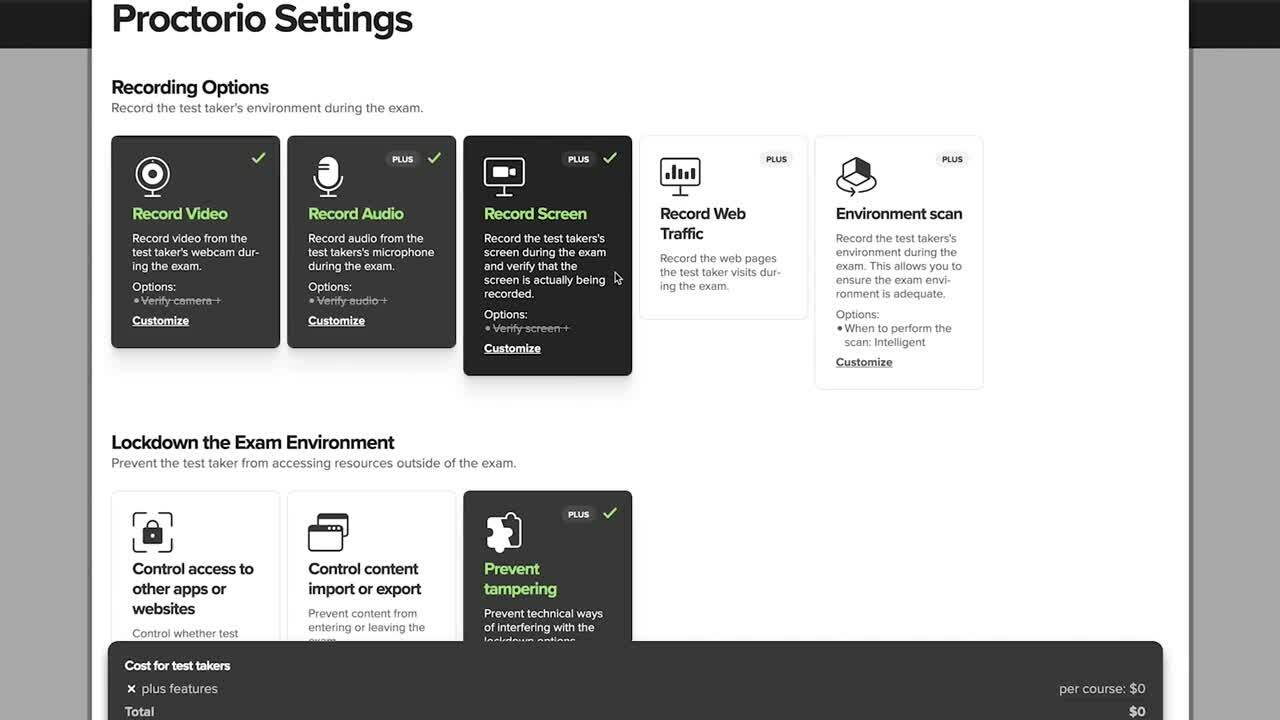
Maintaining academic integrity in an online course can be a challenge. At McGraw Hill, we have partnered with Proctorio to deliver assessment integrity tools directly within Connect. As a Connect user, you’ve got access to Proctorio within your Connect course that enables you to use Browser locking and remote proctoring capabilities.

McGraw Hill and Online Learning Consortium
Take advantage of our OLC-Certified instructors who are experts in advancing quality digital teaching and learning experiences. Get help transitioning your in-person courses to hybrid or online delivery.